1932
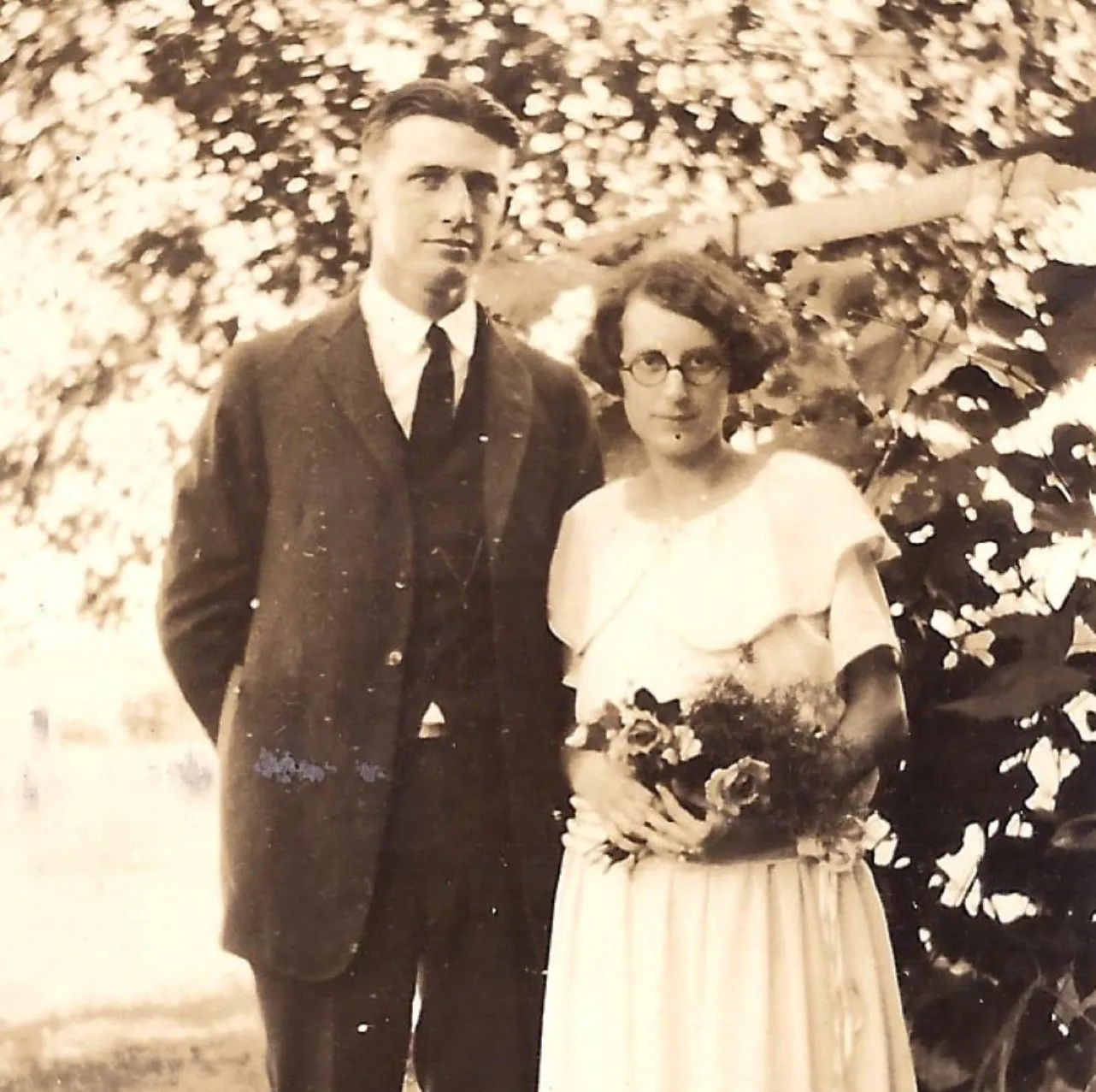
Herman Wedgworth and his wife, Ruth, establish Wedgworth’s, Inc. and Wedgworth Farms. Their first fertilizers are hand-mixed for Everglades Agricultural Area (EAA) soils.
Family Owned Since 1932
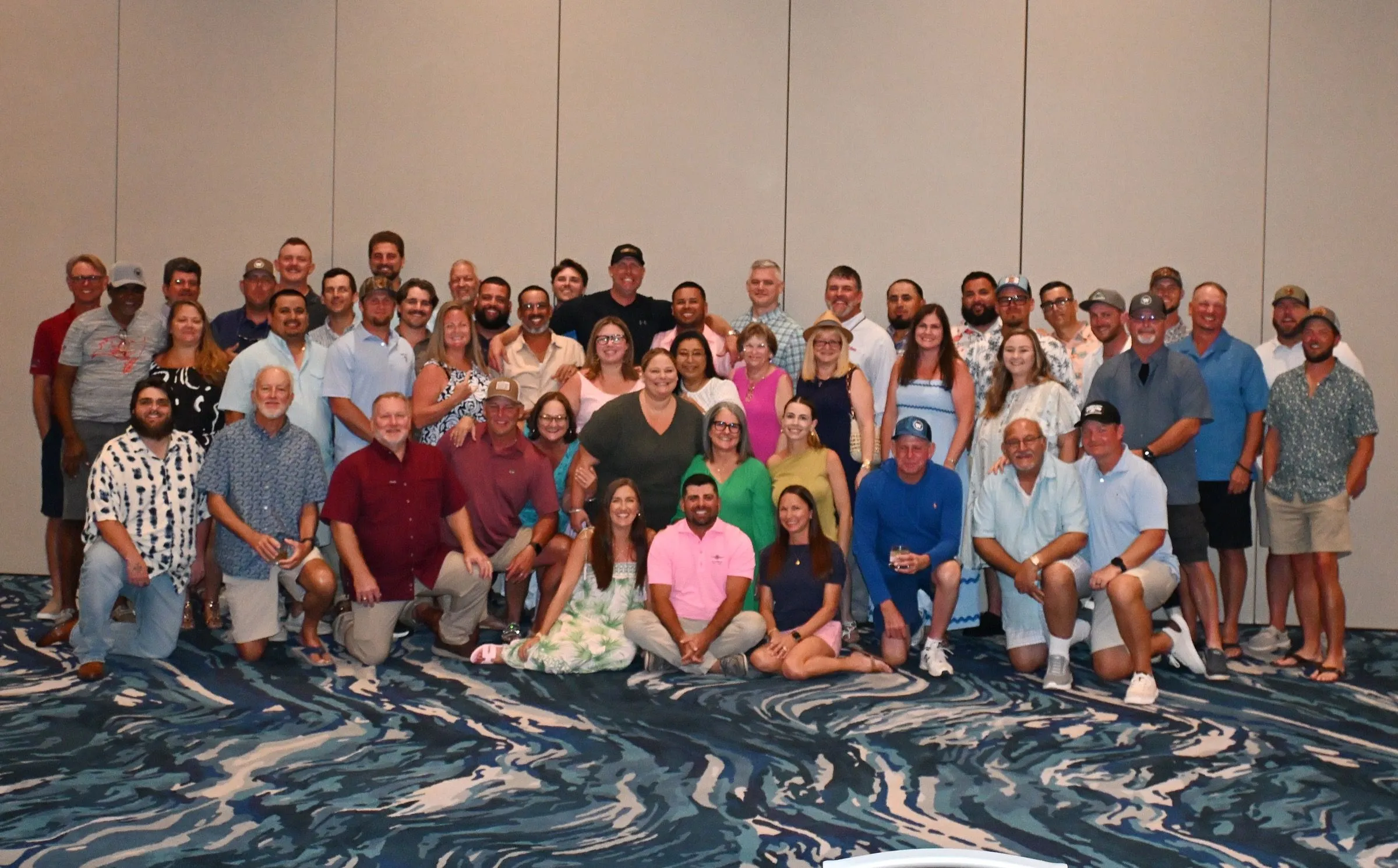
Today, Wedgworth’s remains a multi-generational, family-owned company that also farms and ranches 20,000 acres in South Florida.

Our Foundation
In 1932, Herman Wedgworth, the first plant pathologist at the University of Florida Everglades Experiment Station, left the university to start Wedgworth’s, Inc. Since then, Wedgworth’s has brought many innovations to Florida agriculture and stayed committed to growing the industry.
Chairman Dennis Wedgworth carries on his family’s legacy by creating premium custom-blended plant nutrition products for the agriculture and turf & ornamental industries.
94
Years since our 1932 founding
20,000 acres
Farmed and ranched in south Florida
3
Florida locations
From the archive
5 photos · tap to enlarge
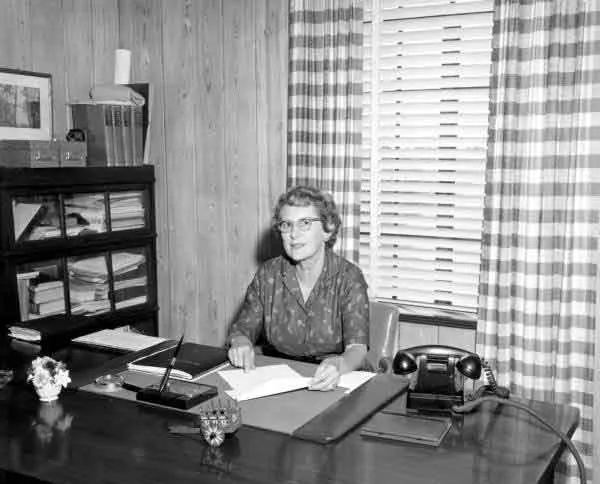
Herman Wedgworth and his wife, Ruth, establish Wedgworth’s, Inc. and Wedgworth Farms. Their first fertilizers are hand-mixed for Everglades Agricultural Area (EAA) soils.
After Herman’s death, Ruth runs the business, later handing day-to-day operations to her family.
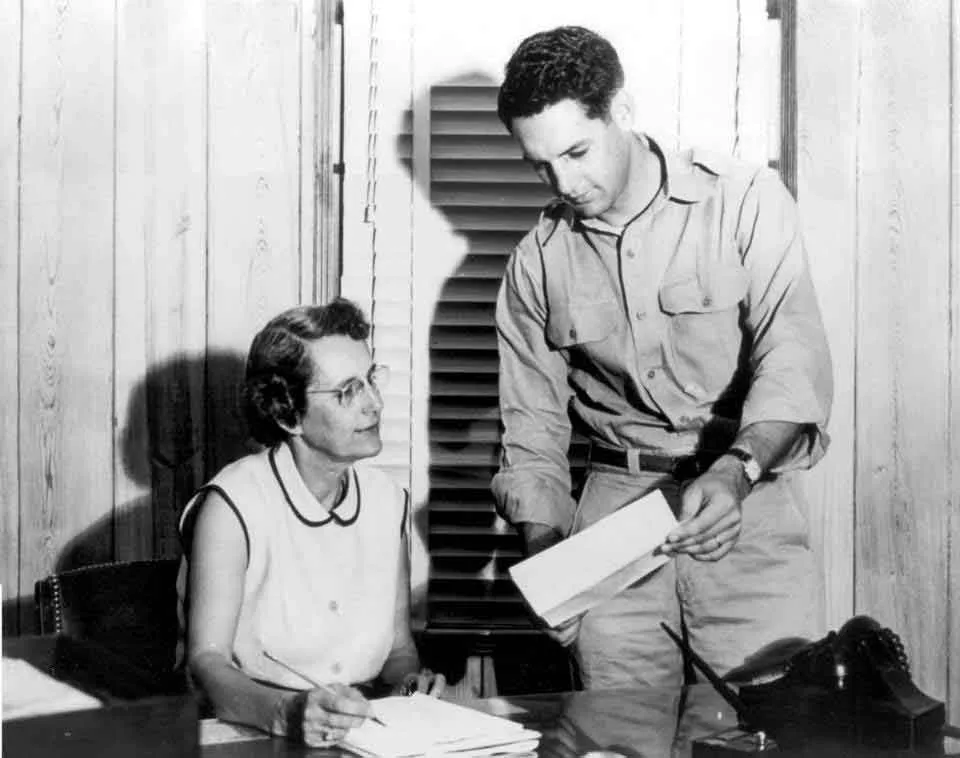
Son George Wedgworth returns from college to join the family business. He later leads Wedgworth Farms and organizes EAA farmers to grow sugar cane, which leads to the Sugar Cane Growers Cooperative of Florida in 1960.
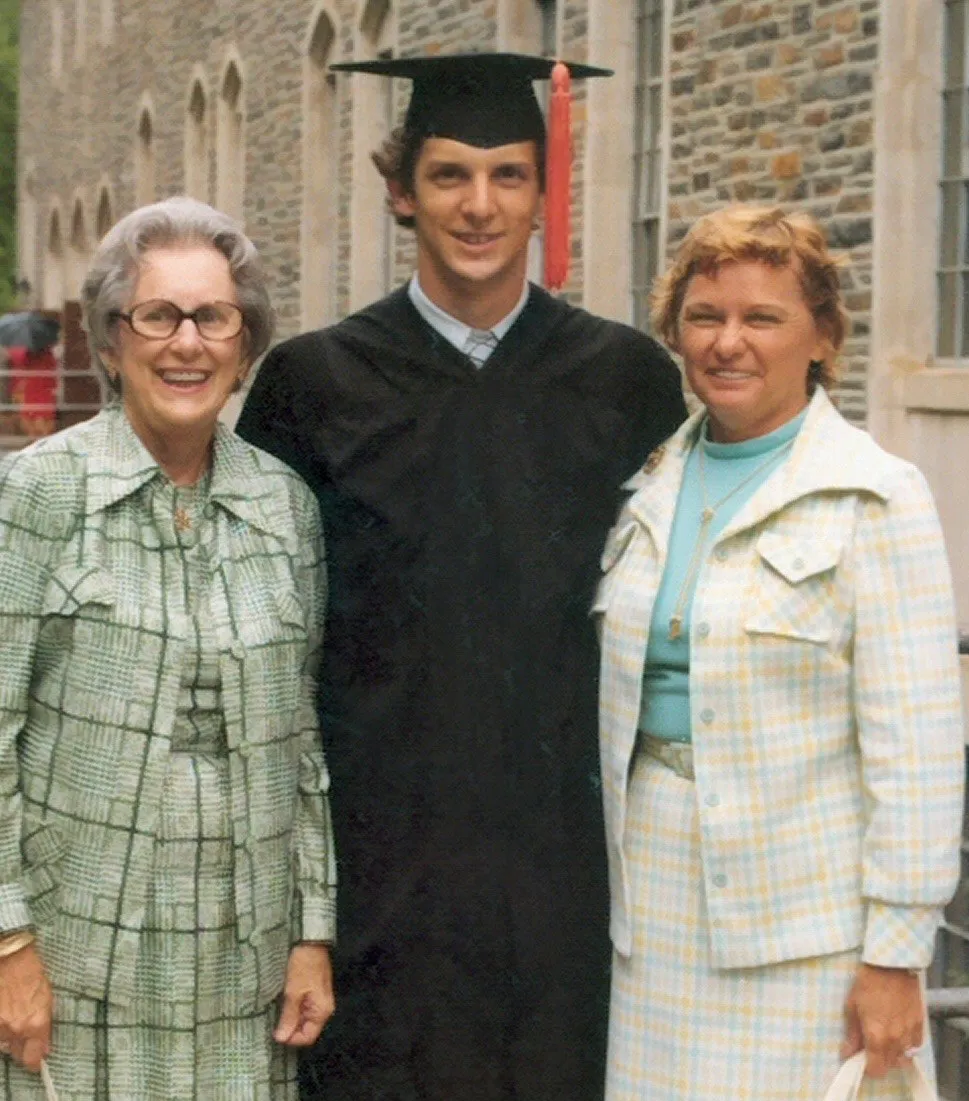
George’s son, Dennis, joins Wedgworth’s, Inc. after earning a graduate degree at the University of Florida.
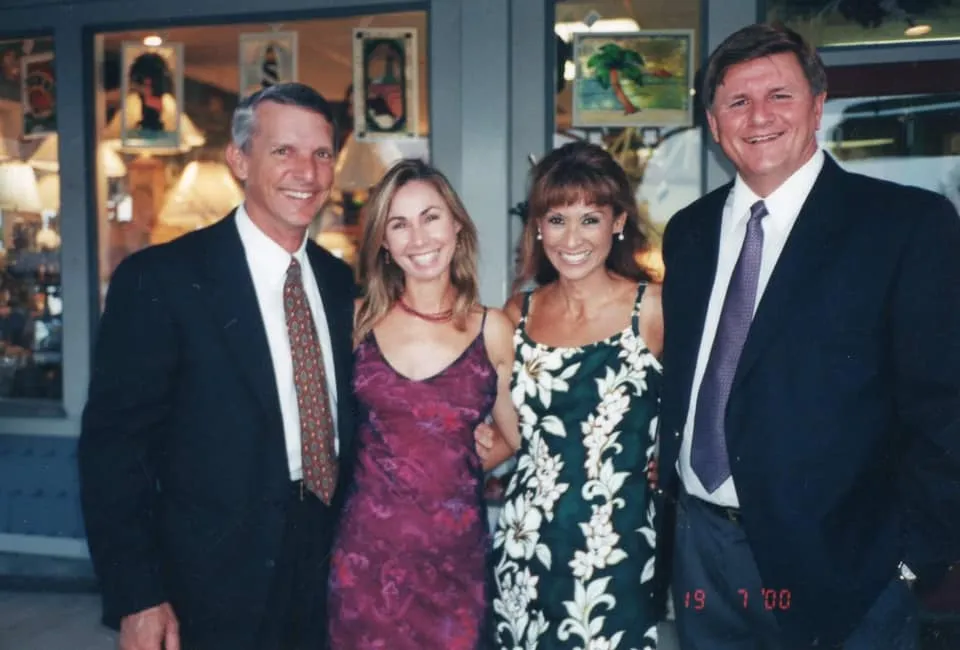
Under the leadership of Dennis Wedgworth and Jimmy Matthews, Wedgworth’s, Inc., expands into custom blends of premium granular fertilizers and micronutrients.
Wedgworth’s expands granular blending by acquiring Potash Corporation’s plant in Moore Haven, FL.
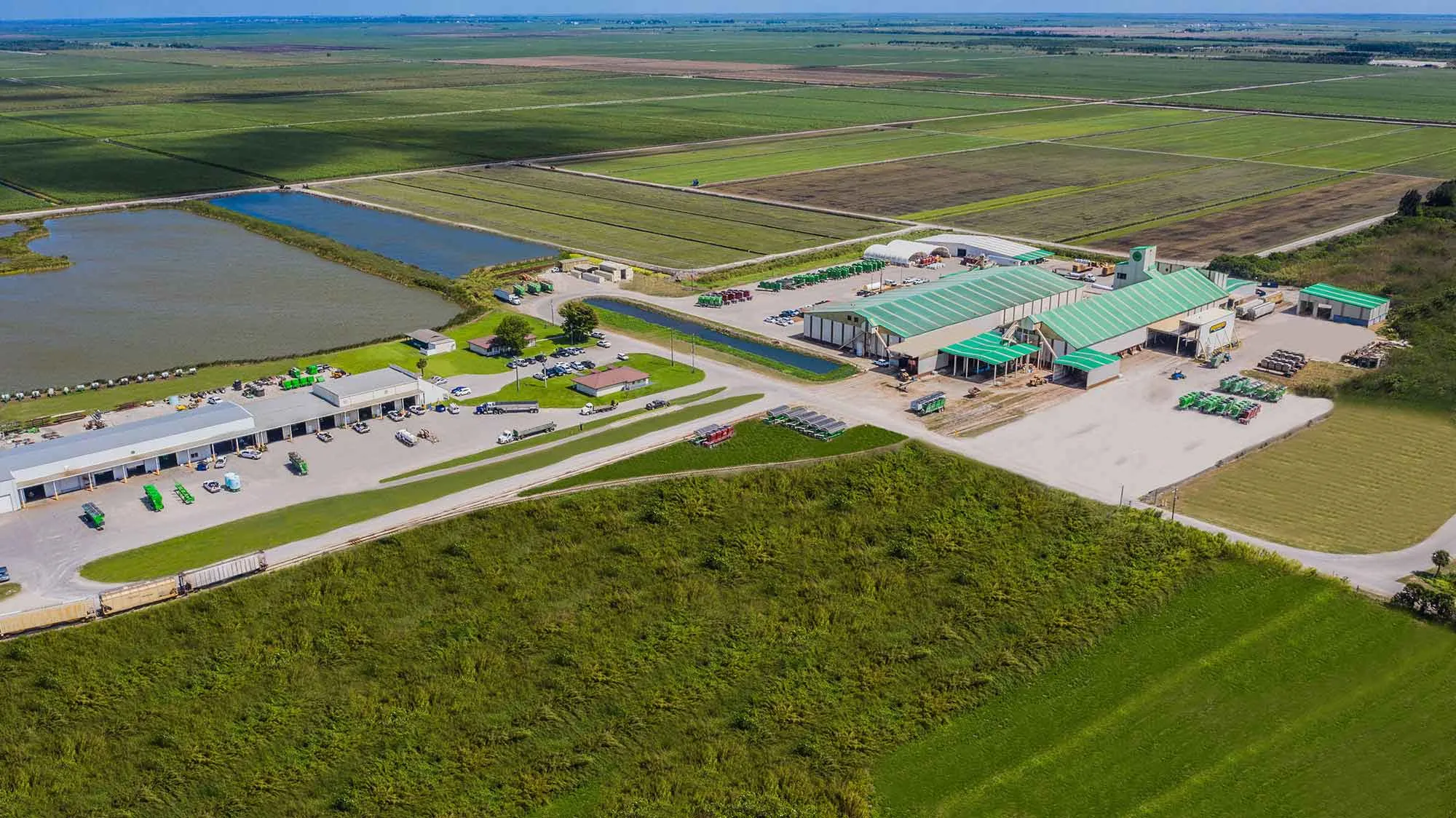
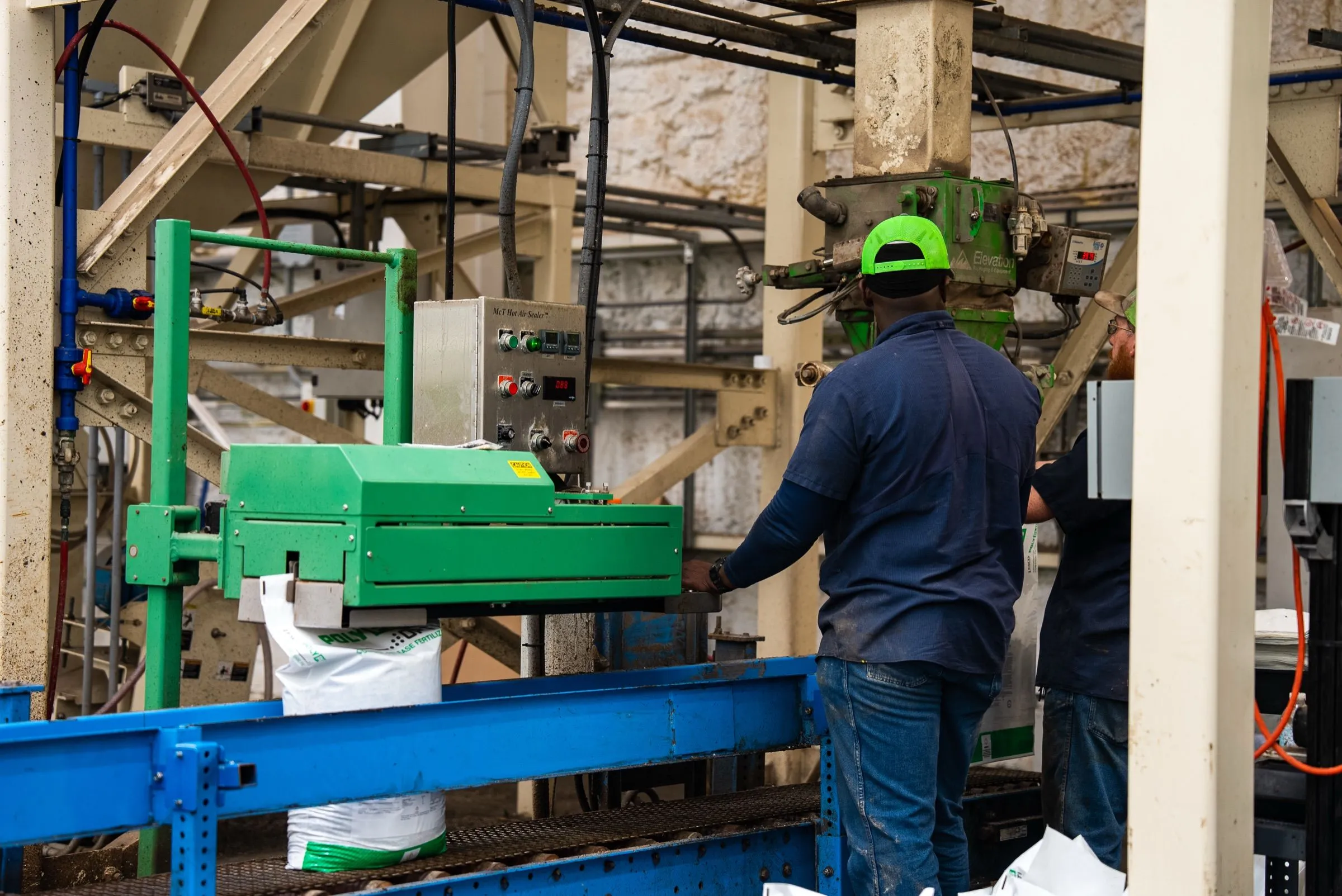
Wedgworth’s adds liquid fertilizer blending and crop protection products through the acquisition of The Andersons’ southeastern assets in Clewiston and Lake Placid, FL.
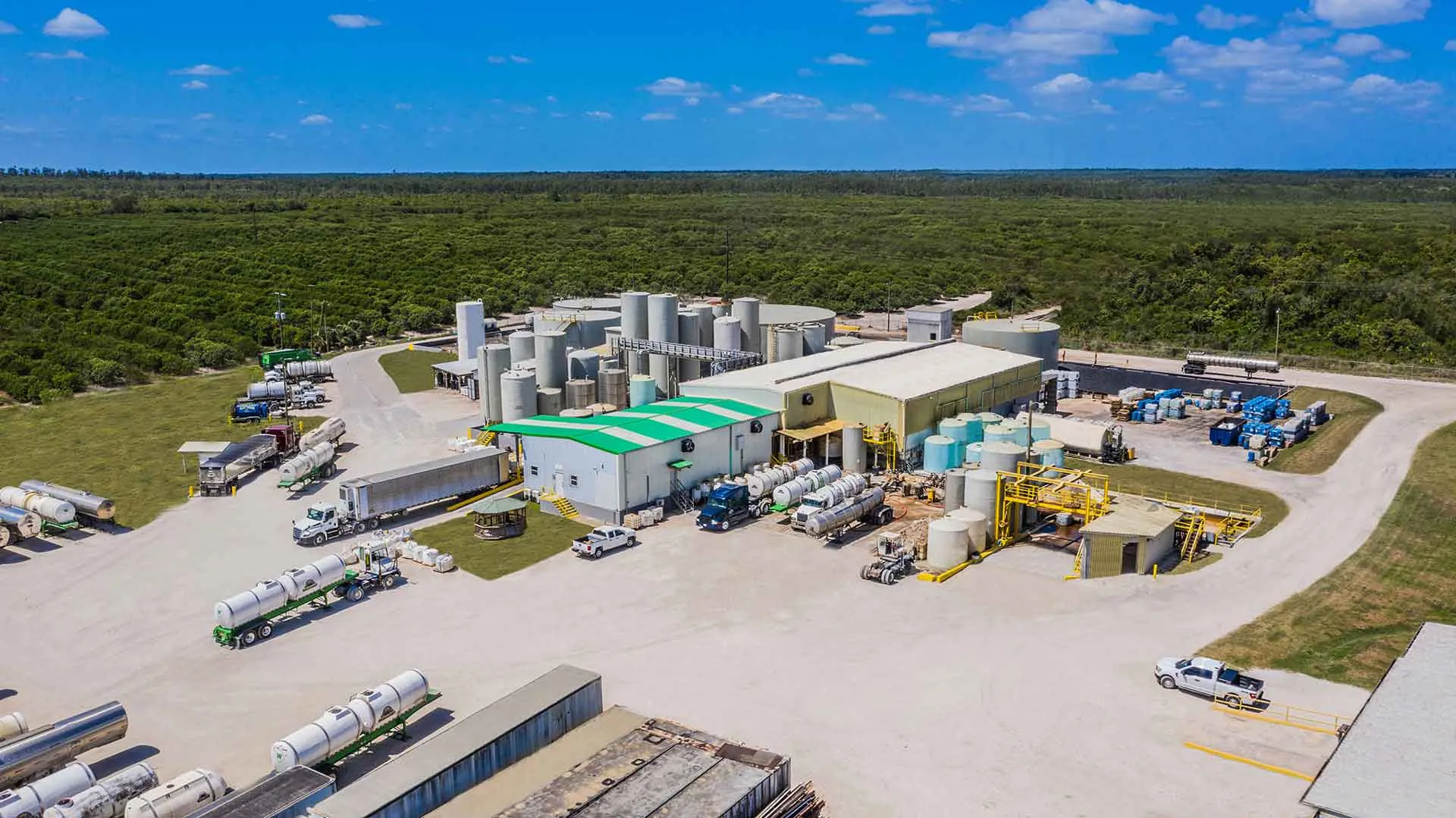
Wedgworth’s acquires AGVNT, an R&D company with proprietary plant nutrition and fertilizer manufacturing technology. Wedgworth’s then launches Summit Nutrients, a precision fertilizer company.
Visit Summit Nutrients
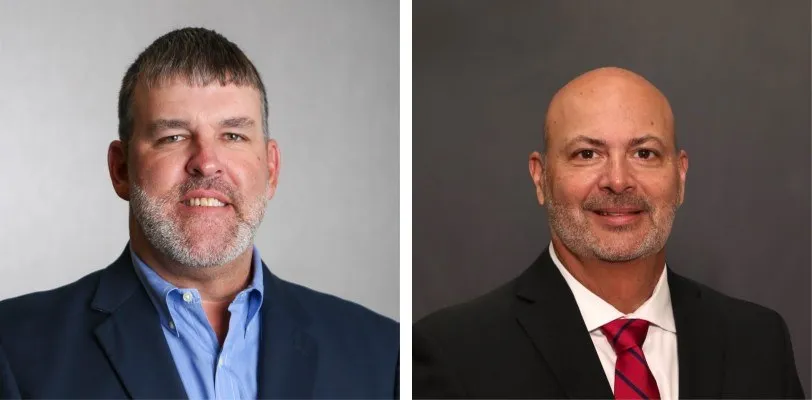
Aaron Bryson became President of Wedgworth’s, Inc. Jorge Suarez, Jr. became President of Wedgworth Farms.
Today
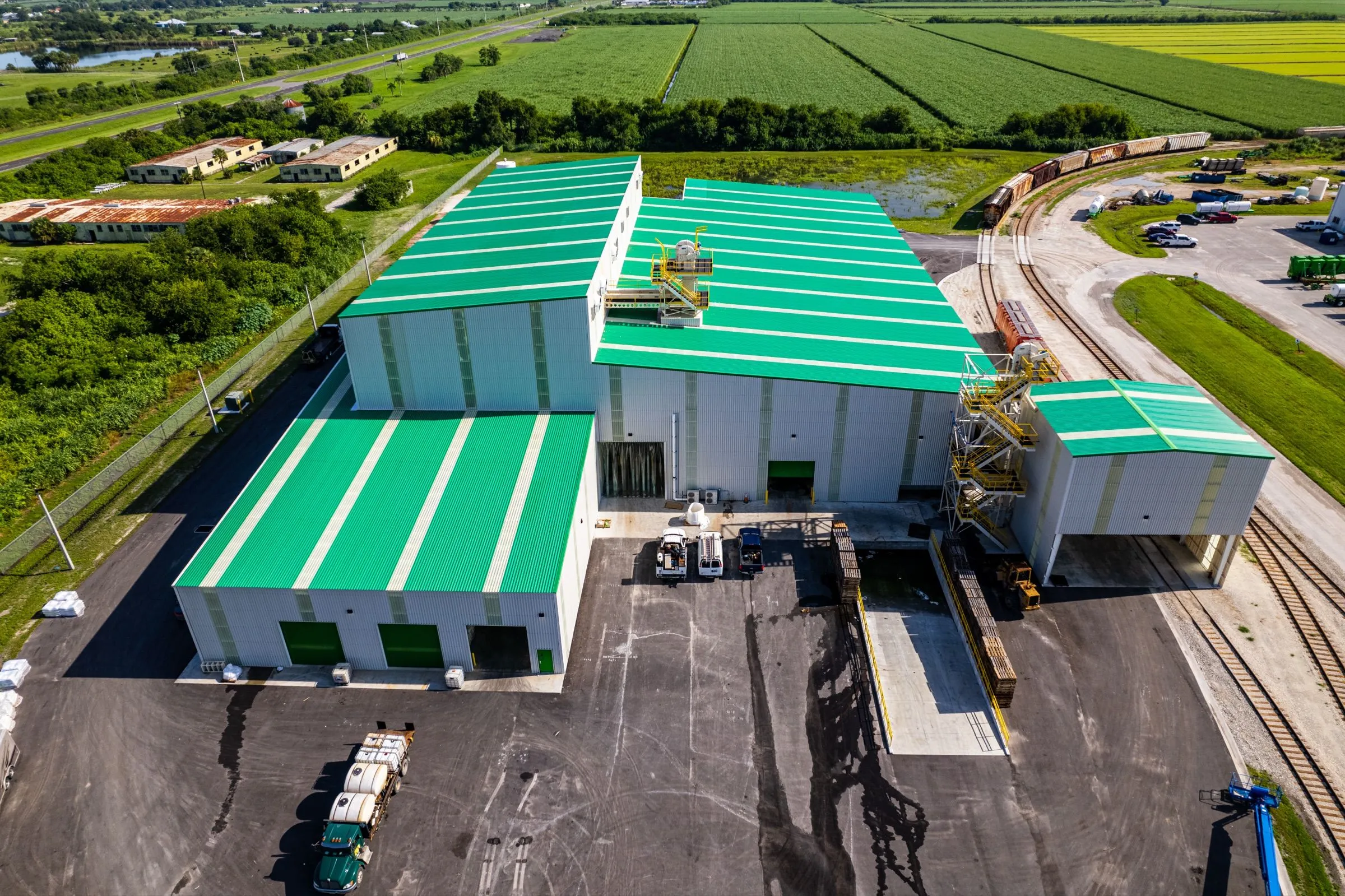
Built in 2023.
See our locationsSince 1932
In the 1730s, a young farmer named Thomas Wedgeworth emigrated from Ireland to the New World British colony of Maryland. Two hundred years later, and six generations removed, a descendant of Thomas would move to Belle Glade and begin to change the face of farming in the Everglades Agricultural Area (EAA).
It was in the spring of 1930 when 29-year-old Herman H. Wedgworth (the family had dropped the "e" from the surname along the way), a plant pathologist and college professor, moved to Belle Glade with his wife, Ruth, to begin his new job at the University of Florida's Everglades Experiment Station. At that time, much of the Glades area was still covered with sawgrass, willows, and custard apple trees. Those areas that had been drained and turned into farmland were still held back by mineral deficiencies which prevented farmers from taking full advantage of the fertile black muck soil.
Working in conjunction with Dr. Robert Allison, Wedgworth determined that minor elements such as copper and manganese were missing in the soil profile. Adding these elements would let commercial farming prosper. After two years of research, Herman resigned his position at the Experiment Station and set out to farm for himself. With the backing of some local investors, Wedgworth was able to acquire a half section of raw land at the south end of present-day Wedgworth Road. He cleared, ditched, diked, and developed it, and built a first-of-its-kind pumping station. His first crop was celery. All was going well until a massive rain event overloaded the drainage district and the entire crop was lost. An ominous start, one might think, but not for this determined entrepreneur.
From Herman’s research
Before he farmed, Herman published as a plant pathologist, first for the Mississippi Agricultural Experiment Station and later with the University of Florida.
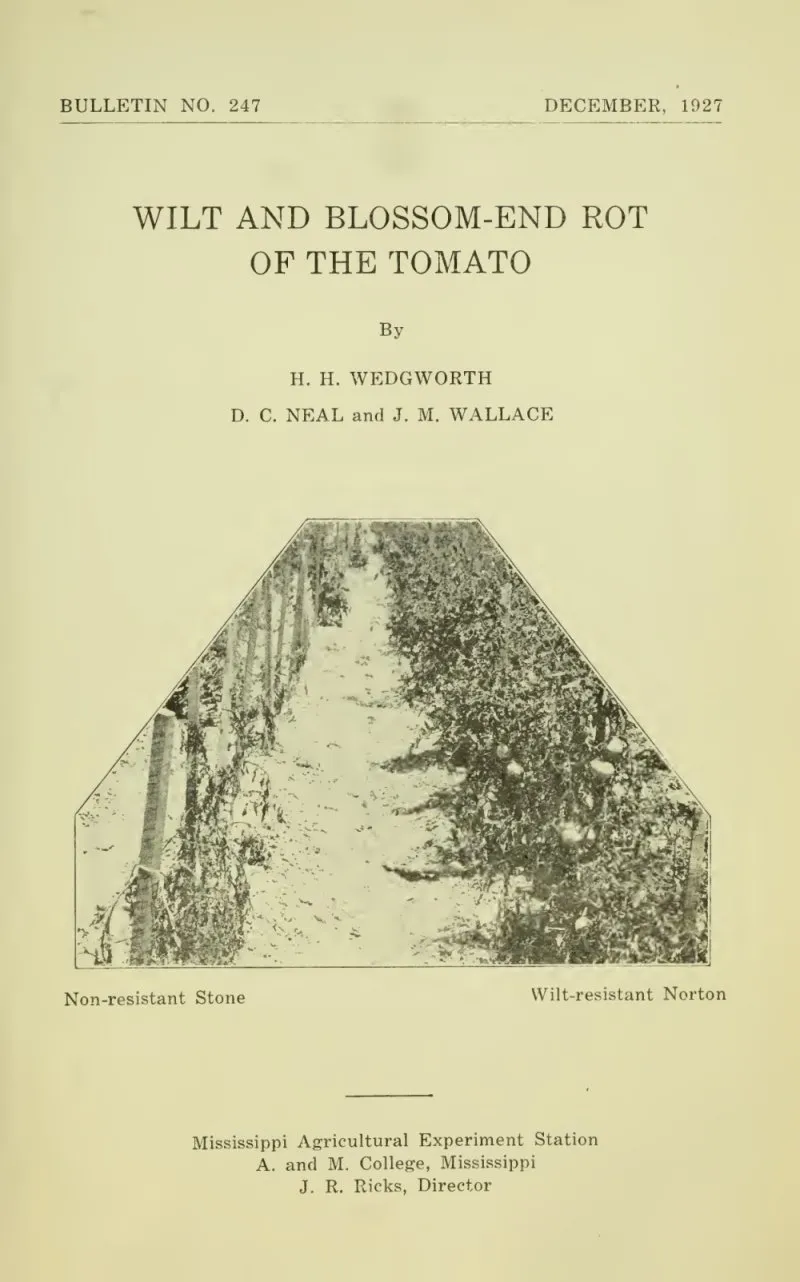 Bulletin 247 · December 1927 Wilt and Blossom-End Rot of the Tomato (PDF, opens in a new tab) With D. C. Neal and J. M. Wallace. Field trials of tomato varieties on wilt-infested soil. The best wilt-resistant varieties out-yielded standard ones, even on clean soil.
Read PDF (opens in a new tab) Mississippi State University (opens in a new tab)
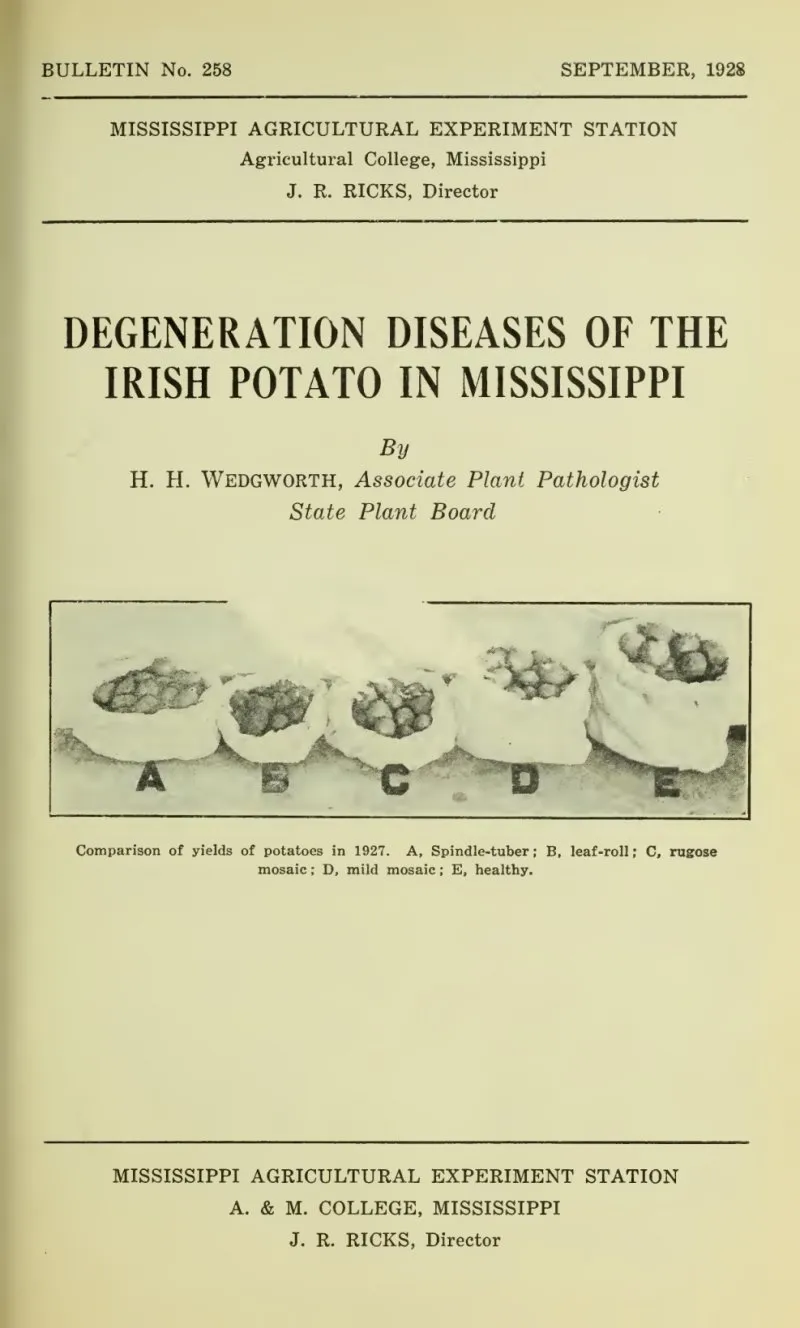 Bulletin 258 · September 1928 Degeneration Diseases of the Irish Potato in Mississippi (PDF, opens in a new tab) Mosaic, leaf-roll, and spindle-tuber live inside the plant, so spraying can’t stop them. His fix: clean seed, isolated seed plots, and pulling sick plants all season.
Read PDF (opens in a new tab) Mississippi State University (opens in a new tab)
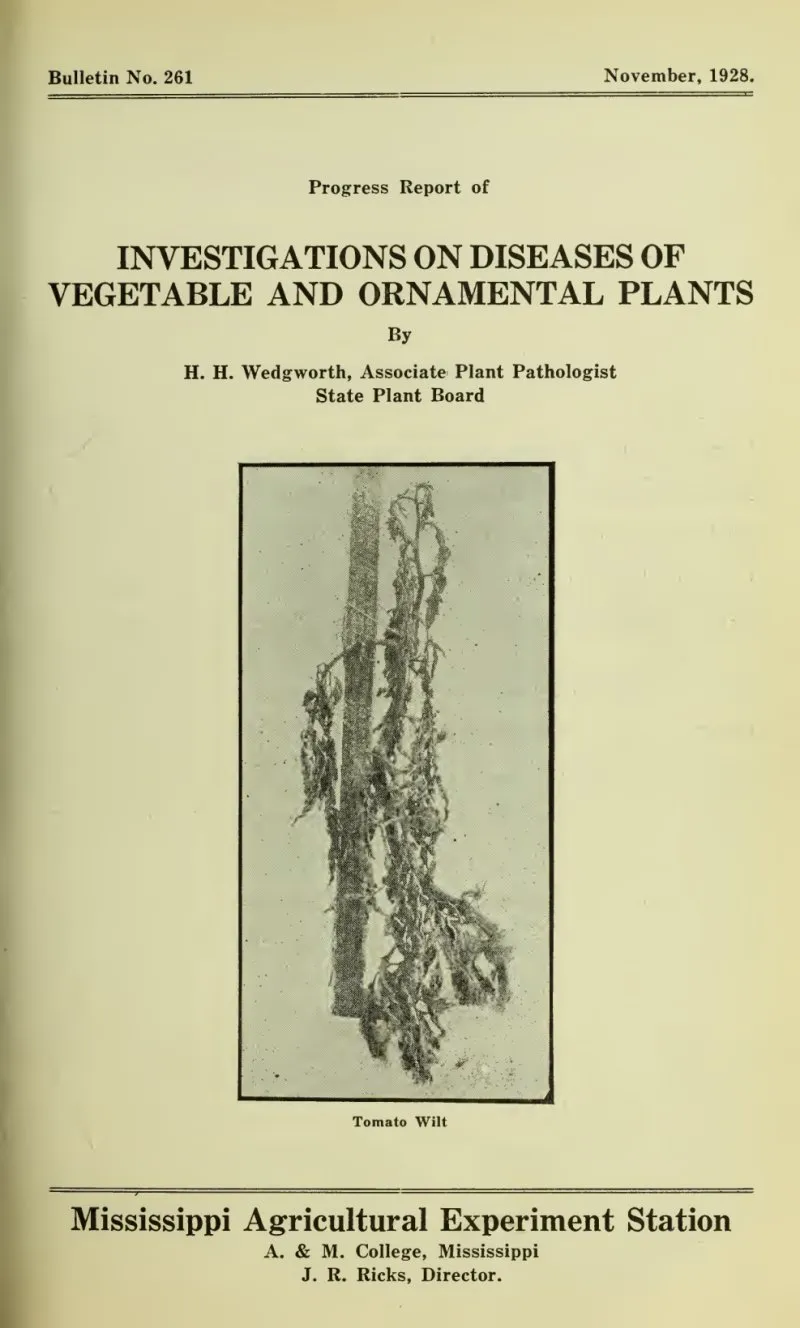 Bulletin 261 · November 1928 Investigations on Diseases of Vegetable and Ornamental Plants (PDF, opens in a new tab) A season of field trials on tomatoes, potatoes, sweet potatoes, cabbage, beans, peppers, gladiolus, and narcissus.
Read PDF (opens in a new tab) Mississippi State University (opens in a new tab)
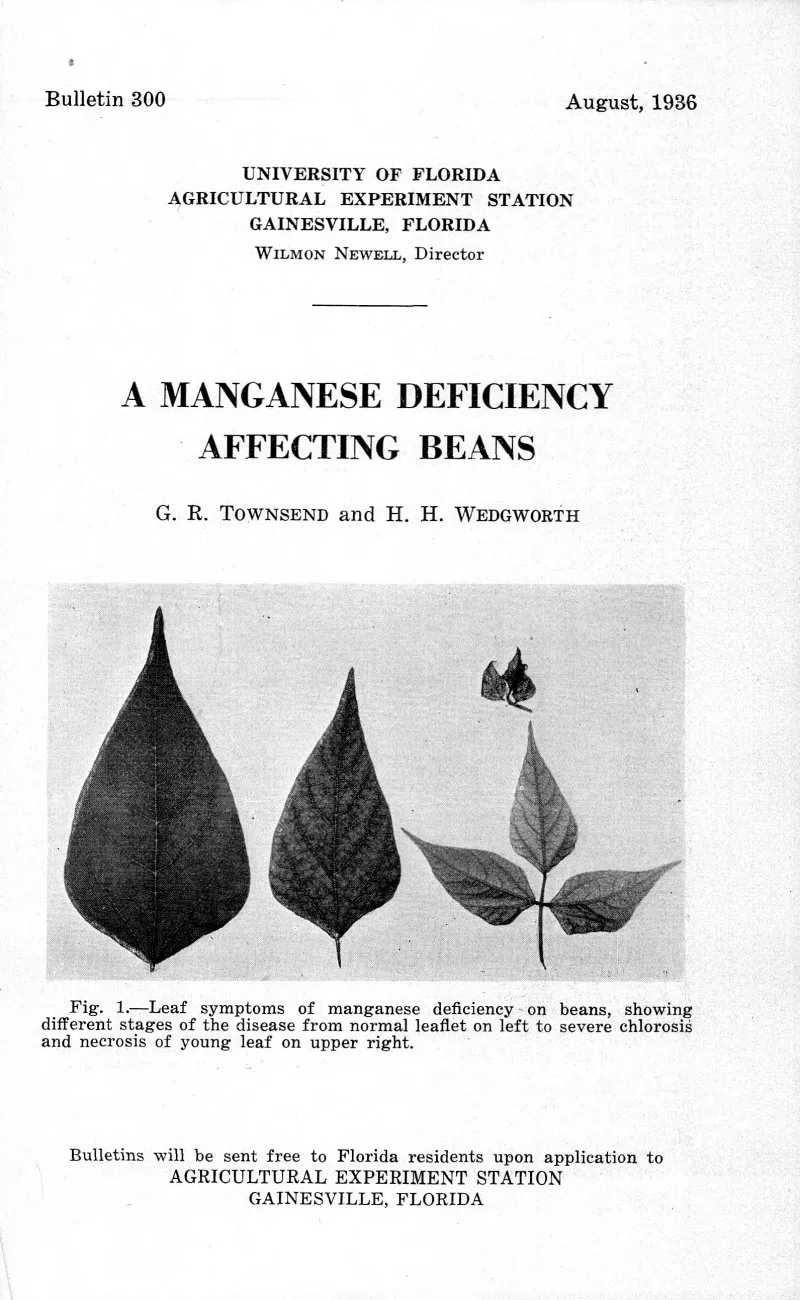 University of Florida · 1936 A Manganese Deficiency Affecting Beans (PDF, opens in a new tab) With G. R. Townsend. Written up from Herman’s 1930–1932 experiments at the Everglades station: why beans yellowed and died on burned muck soil, and how manganese fixed it.
Read PDF (opens in a new tab) UF Digital Collections (opens in a new tab)
Herman published more than 120 bulletins, articles and field reports between 1924 and 1936. See the full catalog
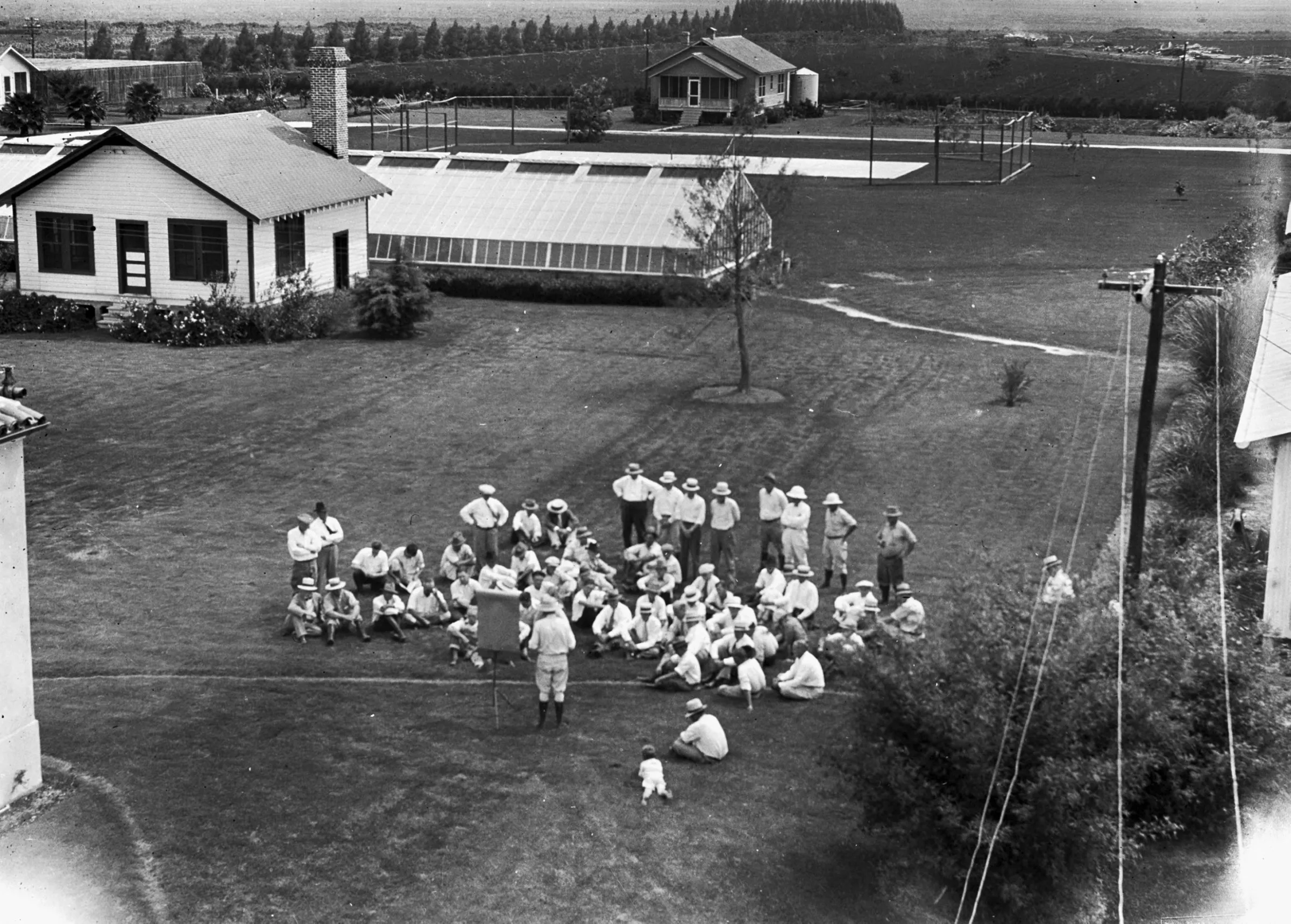
1931. Bean growers gather behind the Everglades Experiment Station lab with Herman Wedgworth. The young boy on the lawn is his son, George.
Herman started again. Investors were understanding. The crop was diversified by growing both potatoes and celery. With no fertilizer plant in the Glades, he began custom-mixing fertilizer with minor elements in a wheelbarrow in his backyard, for himself and other farmers. This time, both the weather and markets cooperated, and the crops were harvested. Investors made a respectable profit. Herman Wedgworth, and Wedgworth Farms, were on their way.
In the early 1930s, Herman saw the need for a fertilizer blending plant to supply the growing number of farmers who were migrating to the Everglades Agricultural Area, so he designed and built the first fertilizer plant in the Glades. He also opened a store for farmers, the Wedgworth Supply House, providing everything from seed to equipment for local growers. Soon after, he built a vegetable packing house to pack and ship the winter vegetables to cities in the north.
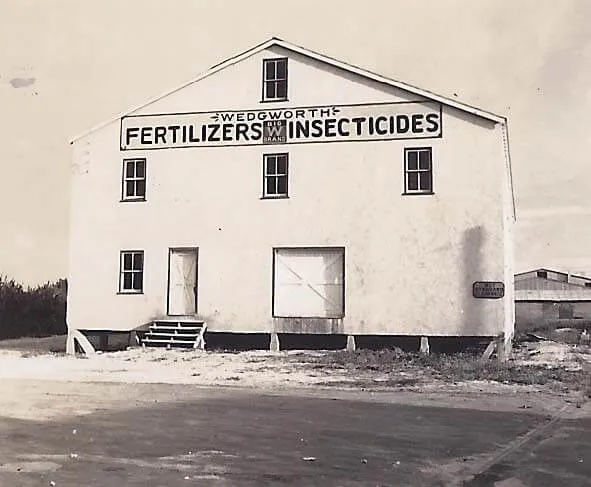
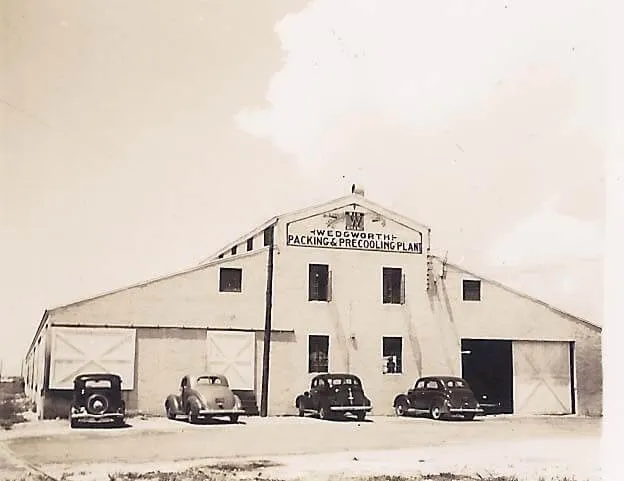
By 1938, Wedgworth Farms, Inc., Wedgworth Produce, Inc., and Wedgworth’s, Inc., the fertilizer company, were continuing to prosper and expand. The farm was growing a wide variety of winter vegetables on almost 2,000 acres and shipping nearly a half million packages to market each year.
Herman was also active in his community. He was Chairman of the “Market Committee” of the Belle Glade Chamber of Commerce, a member of the Belle Glade Rotary Club, and Chairman of the Trustees of the Community United Methodist Church. And he was now the proud father of three children.
In 1938, Herman decided to modernize the packing house with a state-of-the-art ice-making and storage addition. On October 12, while supervising the installation of a 10-ton ice machine on top of the new ice storage building, Herman H. Wedgworth was fatally injured when a hoist collapsed and the ice machine pinned him to the packing house floor. His injuries were primarily a result of his saving another man's life by rushing in to push him out of the way of the falling beams instead of seeking safety for himself first. For more than three hours before he died, Herman remained lucid and talked with Ruth about how she should carry on without him. Herman was only 37 years old when he died. Ruth was left with the businesses to run, most of them heavily mortgaged, and three children: Helen, 14, George, 9, and Barbara, 4.
Over the years, Ruth Springer Wedgworth proved more than equal to the task. She managed the farm and all its operations effectively and eventually became one of Florida's most successful women in business. Under her management, the farm expanded to 4,500 acres. During WWII, Wedgworth Farms received many awards from the U.S. government for providing food for the nation. In 1942, a large commercial cattle operation was started . . . as an offshoot from George's high school 4-H project! Ruth was President of all three businesses through the 1940s, '50s, and '60s: Wedgworth Produce, Inc., Wedgworth Farms, Inc., and Wedgworth’s, Inc.
During the 1960s and 1970s, Mrs. Wedgworth oversaw the transition in the family's farming operation from primarily vegetable farming to sugarcane. During her many years in the farming industry, Ruth S. Wedgworth was recognized for her ability and considerable contributions to agribusiness. In 1988 she was inducted into the Florida Agriculture Hall of Fame, only the second woman to be so honored. Ruth received honorary doctorates from the University of Florida and Florida Southern College. She was the recipient of the Distinguished Service Award from the Florida Fruit & Vegetable Association in 1958 and from the Florida Farm Bureau in 1980. In her “spare” time, Ruth Wedgworth was a director of Florida National Bank of Belle Glade; chairwoman of the Highland Glades Drainage District; a member of the Governor's Committee on Migrant Workers; a board member of the Palm Beach County Hospital District and the Palm Beach County School Board, the first president of Belle Glade's Business and Professional Women's Club . . . and a Sunday School teacher at Community United Methodist Church. But Ruth would tell her friends that her most important job was raising Helen, George, and Barbara. Ruth Springer Wedgworth passed away in December of 1995 at the age of 92.
Ruth's older daughter, Helen Jean, graduated from Pahokee High School in 1941 (Belle Glade High School had not been created yet) and in 1943 married Joe Tom Boynton of Pahokee. Together, they formed Boynton Farms, Inc., which would later become one of the founding members of the Sugar Cane Growers Cooperative of Florida. Helen was a primary founder of Glades Day School and a lifelong patron of the arts, notably of artist Graham Ingels. Helen Wedgworth Boynton passed away in May of 2007 at the age of 83.
In 1991, Helen and her sister, Barbara, spearheaded the Wedgworth family's gift of $1 million to the University of Florida IFAS Everglades Research and Education Center in Belle Glade. This gift, and a matching grant from the state, funded a new 21,000-square-foot laboratory, with research facilities and offices for 75 faculty and staff members. The University named the facility the Herman H. and Ruth S. Wedgworth Laboratory.
Barbara Ann Wedgworth graduated from Belle Glade High School in 1953 and later Florida Southern College, and began her career in education. In 1963, she married engineer John P. Oetzman. She lives on Singer Island, Florida, and is an officer and director of both Wedgworth Farms, Inc., and Wedgworth’s, Inc.
The only son of Herman and Ruth Wedgworth, George Herman Wedgworth, was born in Starkville, Mississippi, in 1928 and arrived in Belle Glade with his parents when he was just 18 months old. He would live in Belle Glade the remaining 86 years of his life.
After graduating from Belle Glade High School in 1946, George followed his high school sweetheart and future wife, Peggy Rawls, to Michigan State University, where he earned a degree in Agricultural Engineering. After college graduation in 1950, George returned home to Belle Glade to help his mother run the family businesses.
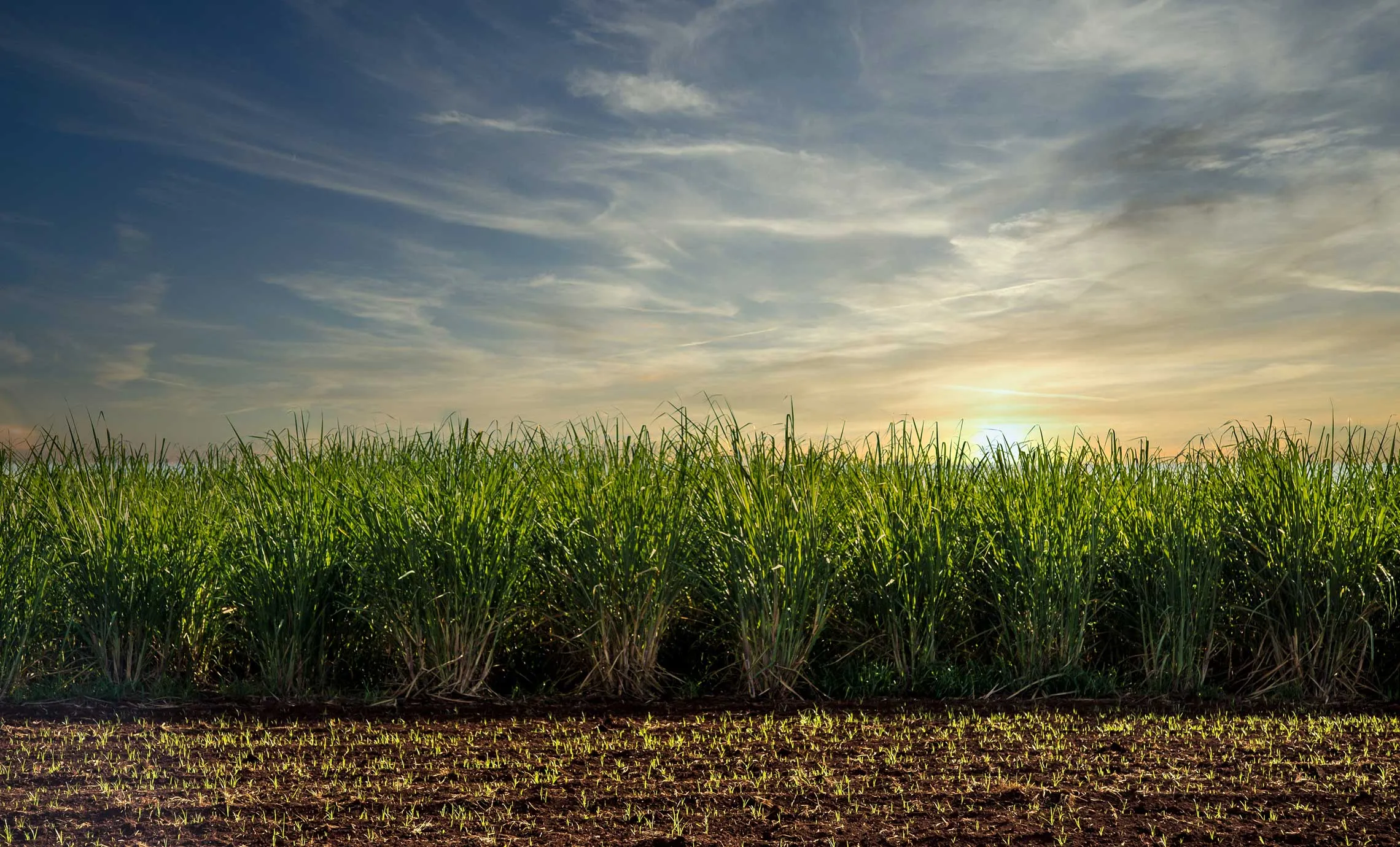
At the age of 32, George organized a group of 52 independent farmers in 1960 to form the Sugar Cane Growers Cooperative of Florida. He would serve as President and Chairman of the Board of the Co-op for the next 53 years, until his retirement at age 85 in 2013. Under his leadership, the Co-op grew to produce half a million tons of raw sugar and 25 million gallons of molasses a year. The Co-op also partnered with Florida Crystals Corporation to form ASR Group, the world's largest sugar refining company.
In 1963, George used his organizing skills to put together a group of local businesspeople to form a hometown bank. The Bank of Belle Glade opened that November and is one of the highest-rated banks for financial strength in the entire state of Florida.
George was instrumental in the formation of a leadership training program at the University of Florida that was named in his honor. The Wedgworth Leadership Institute gives dozens of the state's leaders intensive training in a wide range of topics.
In 1994, George Wedgworth joined his mother in the Florida Agriculture Hall of Fame. In 2005 he was named “Sugar Man of the Year” as the recipient of the Dyer Memorial Award in New York City, and in 2011 he was honored as Palm Beach County Business Leader of the Year by the Chamber of Commerce of the Palm Beaches.
Florida Agriculture Hall of Fame
By the time George Wedgworth passed away in November 2016, he had seen the family businesses grow dramatically over his lifetime. Wedgworth Farms, which his father and mother began with 320 undeveloped acres, now consisted of 10,000 acres of prime muck land and 10,000 acres of beautiful “old Florida” ranch land near Yeehaw Junction. Wedgworth’s, Inc., the fertilizer operation George's father started in a wheelbarrow, was now the largest fertilizer company in Florida.
Wedgworth Farms, then and now
320 acres
Undeveloped land where Herman and Ruth began
4,500 acres
The farm under Ruth’s management
10,000 acres
Prime muck land by 2016
10,000 acres
“Old Florida” ranch land near Yeehaw Junction
Many years ago, George handed the reins of the family businesses, and their future, to his son, Dennis. Dennis was born and raised in Belle Glade, earned an engineering degree from Duke University and an MBA from the University of Florida. In July 2025, he stepped back from running the companies day to day. He remains Chairman of the Board of both Wedgworth Farms, Inc., and Wedgworth’s, Inc. Dennis is a member of the Board of Directors of Sugar Cane Growers Cooperative and sits on its Executive Committee. He is also on the boards of the Bank of Belle Glade and the Florida Fertilizer and Agrichemical Association. Dennis Wedgworth has brought the highest standards of science and technology to both Wedgworth Farms, Inc., and Wedgworth’s, Inc., making both companies leaders in their industries. In 2026, Dennis joined his father and grandmother in the Florida Agriculture Hall of Fame.
A fourth generation now helps lead the business.
Dennis's daughter, Katie Wedgworth Bryson, has worked at Wedgworth’s, Inc. for more than two decades in a number of roles and is now its pricing coordinator. Nephew Keith Wedgworth joined Wedgworth Farms out of college more than 25 years ago and has been a Vice President there since 2017. Katie's husband, Aaron Bryson, joined Wedgworth’s, Inc. in 2018 and was part of its management team until July 2025, when he became President. Nephew Patrick Altman came home to the family business in December 2022 as CTO, after 20 years building and running startups, in order to modernize the company's systems.
Nearly a century after Herman and Ruth Wedgworth arrived in Belle Glade, their legacy keeps growing. Herman and Ruth's foresight, work ethic, intellect, and willingness to take risks—traits they passed on to their children—continue to impact the Glades today through Wedgworth Farms, Wedgworth’s, Inc., Sugar Cane Growers Cooperative of Florida, ASR Group, the Bank of Belle Glade, Glades Day School, the UF/IFAS Everglades Research and Education Center, and the Wedgworth Leadership Institute. Their heritage continues.
Written by Thomas Altman, Wayne Boynton, and Lynn Oetzman Dixon
Next step